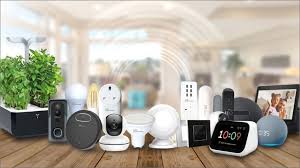
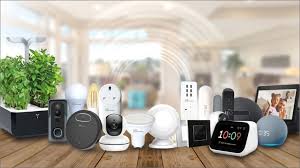
Introduction to Smart Home Devices
Exploring the latest advancements and innovations in smart home technology for 2024, enhancing convenience, security, and efficiency.
1. Smart Speakers and Virtual Assistants
Integration and Voice Control
Discussing the evolution of smart speakers like Amazon Echo and Google Home, integrating voice assistants such as Alexa and Google Assistant for seamless control of connected devices.
AI Enhancements
Advancements in AI capabilities, enabling personalized recommendations, natural language processing, and enhanced smart home automation.
2. Smart Thermostats
Energy Efficiency
Highlighting smart thermostats like Nest and Ecobee, optimizing heating and cooling schedules based on occupancy, weather conditions, and energy usage patterns.
Integration with Home Automation
Integration with home automation systems for centralized control via smartphone apps, enhancing energy savings and comfort.
3. Smart Lighting Systems
LED Technology
The adoption of LED smart bulbs and lighting systems offering customizable colors, brightness adjustments, and energy-efficient lighting solutions.
Motion Sensors and Automation
Utilizing motion sensors and timers to automate lighting based on occupancy, enhancing security and reducing energy consumption.
4. Home Security Cameras and Systems
High-Resolution Video
Advanced home security cameras with HD and 4K resolution, providing clear footage and remote viewing capabilities via mobile apps.
AI-Powered Features
AI-driven features like facial recognition, object detection, and automated alerts for enhanced home security monitoring.
5. Smart Kitchen Appliances
Connected Refrigerators
Smart refrigerators with touchscreens, Wi-Fi connectivity, and apps for managing groceries, recipes, and expiration dates.
Cooking Assistants
Integration of smart ovens and cooking appliances with recipe recommendations, temperature control, and remote monitoring capabilities.
6. Automated Home Cleaning Devices
Robot Vacuums
Efficient cleaning with robot vacuums equipped with mapping technology, obstacle detection, and scheduling features for autonomous operation.
Smart Mopping Systems
Robotic mops and floor cleaners utilizing advanced navigation and water control systems for thorough and efficient cleaning.
7. Smart Home Health Monitoring Devices
Health Sensors
Integration of health monitoring sensors in smart home devices for tracking vital signs, sleep patterns, and environmental factors affecting health.
Telehealth Integration
Connecting health data to telehealth platforms for remote consultations and proactive health management.
8. Smart Entertainment Systems
4K HDR TVs
Ultra-high-definition smart TVs with HDR support, streaming services integration, and voice control for immersive entertainment experiences.
Home Theater Systems
Wireless surround sound systems and soundbars with smart connectivity for theater-quality audio in home environments.
Conclusion
Highlighting the transformative impact of smart home devices in enhancing convenience, security, and energy efficiency in households, shaping the future of modern living in 2024.
FAQs
1. How do smart speakers enhance home automation? Smart speakers act as central hubs for controlling various smart devices via voice commands, integrating with home automation systems for seamless management.
2. What are the benefits of smart thermostats? Smart thermostats optimize heating and cooling based on user preferences and occupancy patterns, reducing energy bills and enhancing comfort.
3. How do smart security cameras improve home security? Smart security cameras offer high-resolution video surveillance, AI-powered features like facial recognition, and remote monitoring via mobile apps, enhancing home security measures.
4. Can smart kitchen appliances save energy? Yes, smart kitchen appliances like refrigerators and ovens with energy-efficient features and smart controls help minimize energy consumption and food waste.
5. How can smart home health monitoring devices benefit users? These devices provide real-time health data, enabling users to monitor their well-being, detect health issues early, and integrate health information with telehealth services for remote consultations.