Introduction to Artificial Intelligence
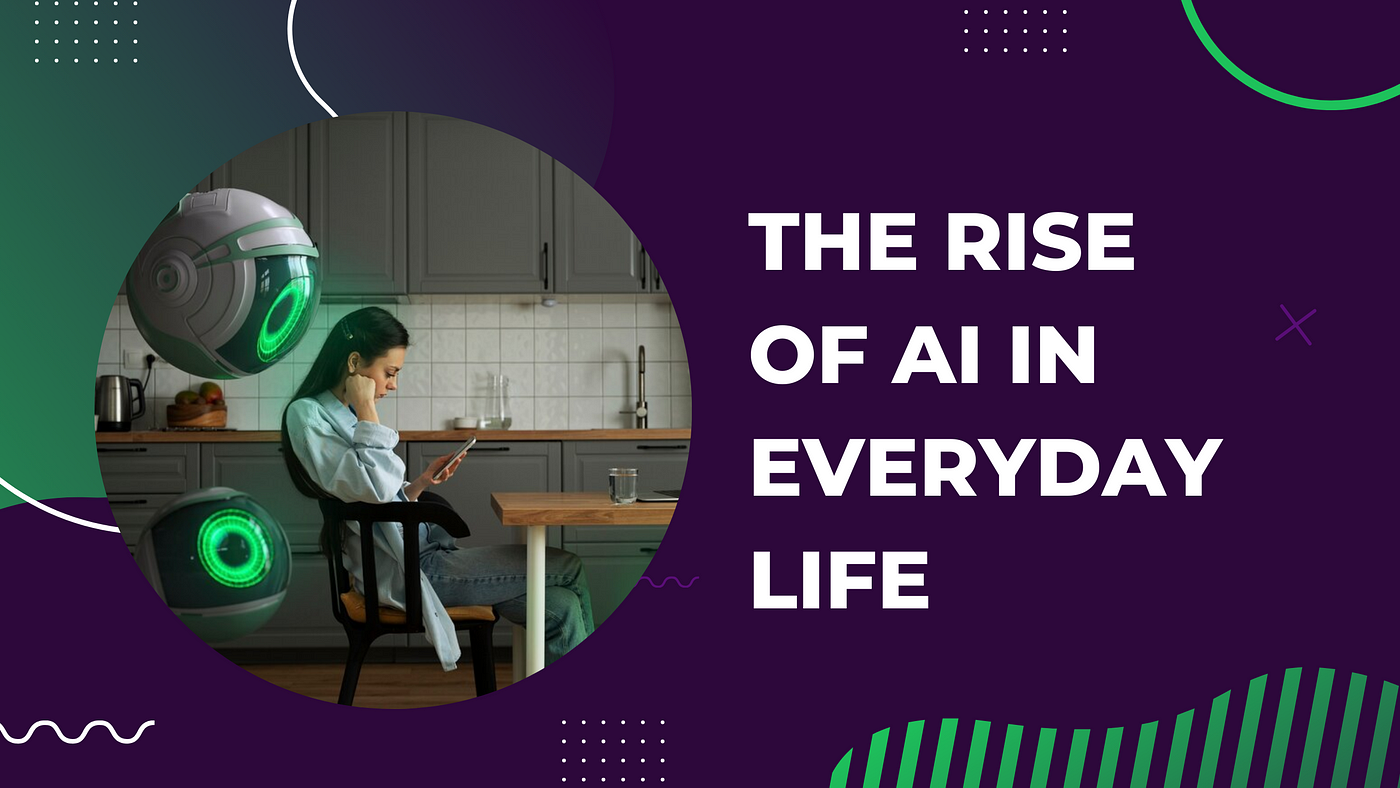
Artificial Intelligence (AI) is revolutionizing everyday life, permeating various facets from household technology to virtual interactions.
AI in Smart Homes
Automation and Efficiency
Incorporating AI-driven devices to streamline daily tasks and optimize energy consumption.
Voice-Activated Assistants
Enhancing convenience through voice commands for controlling appliances, setting reminders, and accessing information.
AI in Healthcare
Diagnostic Support
AI applications aiding medical professionals in accurate diagnosis and personalized treatment plans.
Telemedicine Advancements
Facilitating remote consultations and monitoring through AI-powered systems, improving access to healthcare.
AI in Entertainment
Content Recommendations
AI algorithms powering personalized content suggestions on streaming platforms based on user preferences.
Gaming and Virtual Reality
Integration of AI for immersive gaming experiences and virtual simulations, pushing boundaries in entertainment.
AI in Education
Adaptive Learning Platforms
AI platforms tailoring educational content and pacing to individual student needs, fostering personalized learning.
Tutoring and Assistance
Virtual tutors leveraging AI to provide real-time feedback and support to students, complementing traditional teaching methods.
AI in Transportation
Autonomous Vehicles
Advancements in self-driving technology enhancing safety and efficiency on roads, promising a future of automated transportation.
Traffic Management
AI-powered systems optimizing traffic flow and reducing congestion in urban areas through predictive analytics.
AI in Business
Customer Service
Chatbots and virtual assistants handling customer queries and support requests efficiently, improving service delivery.
Predictive Analytics
Utilizing AI for data analysis and forecasting, enabling businesses to make informed decisions and drive growth.
Ethical Considerations of AI
Privacy Concerns
Challenges and regulations regarding data privacy in the era of AI-driven technologies.
Bias and Fairness
Addressing issues of bias in AI algorithms to ensure fair and equitable outcomes across diverse populations.
Future Trends in AI
Advancements in AI Research
Exploring cutting-edge developments in AI technology, from quantum computing to neural networks.
Integration into New Sectors
Predictions on how AI will continue to expand into industries like agriculture, finance, and environmental conservation.
Conclusion
As artificial intelligence continues to evolve, its integration into everyday life reshapes how we interact with technology, enhancing efficiency, convenience, and innovation across various sectors.
FAQs
1. What are some examples of AI in smart homes? AI in smart homes includes devices like smart thermostats, lighting systems, and security cameras that can be controlled via voice commands or automated schedules.
2. How does AI impact healthcare? AI aids in medical diagnostics, personalized treatment plans, and remote patient monitoring, improving healthcare delivery and outcomes.