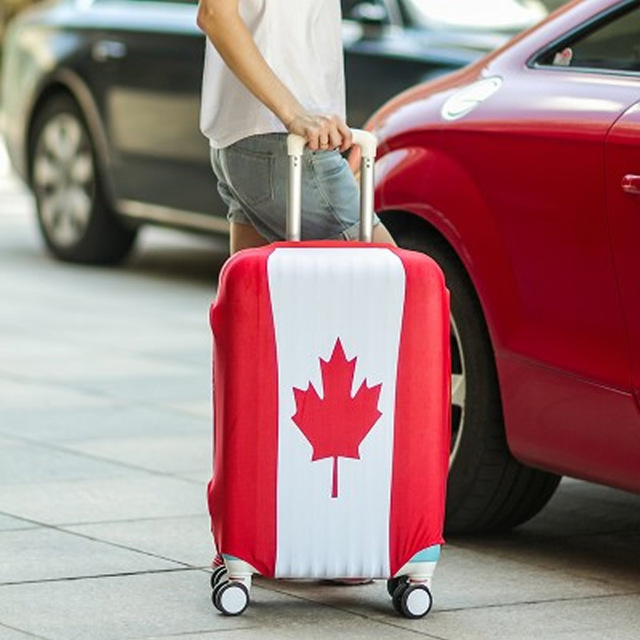
Traveling to Canada requires some preparation to ensure a smooth and enjoyable experience. Here are some practical travel tips to help you:
Before You Travel
Documentation
- Valid Passport: Ensure your passport is valid for the duration of your stay.
- Visa/ETA: Depending on your nationality, you may need a visa or an Electronic Travel Authorization (eTA) to enter Canada. Apply well in advance.
- Travel Insurance: Purchase comprehensive travel insurance that covers medical emergencies, trip cancellations, and lost luggage.
Packing
- Weather-Appropriate Clothing: Canada has diverse weather conditions. Pack warm clothes for winter, including thermal layers, a heavy coat, gloves, and a hat. For summer, pack light clothing and sunscreen.
- Medication: Carry any prescription medications you need, along with a copy of the prescription.
- Power Adapters: Canada uses Type A and Type B electrical outlets (120V). Bring a power adapter if your devices use a different plug type.
On Arrival
Customs and Immigration
- Declaration Form: Fill out the customs declaration form provided during your flight.
- Important Documents: Have your passport, visa/eTA, travel insurance, and any other required documents readily accessible.
- Customs Inspection: Be honest and declare all items you are bringing into Canada. Familiarize yourself with what you can and cannot bring.
Transportation
- Public Transport: Major cities like Toronto, Vancouver, and Montreal have extensive public transport systems. Consider purchasing a transit pass for convenience.
- Taxis and Rideshares: Taxis and rideshare services like Uber and Lyft are available in most cities.
- Car Rentals: If you plan to explore rural areas or national parks, renting a car might be the best option. Ensure you have a valid driver’s license and understand local driving laws.
During Your Stay
Communication
- SIM Card: Purchase a local SIM card or an international roaming plan to stay connected.
- Wi-Fi: Many places, including hotels, cafes, and public spaces, offer free Wi-Fi.
Money and Payments
- Currency: The currency in Canada is the Canadian Dollar (CAD). It’s advisable to have some cash for small purchases, though cards are widely accepted.
- Credit/Debit Cards: Inform your bank about your travel plans to avoid your card being blocked. Credit and debit cards are commonly used for transactions.
Safety and Health
- Emergency Services: Dial 911 for emergency services (police, fire, ambulance).
- Health Care: Canada has a high standard of health care. Carry your travel insurance details with you in case of medical emergencies.
- Vaccinations: Ensure you are up-to-date with routine vaccinations. Check for any additional vaccination requirements based on current health advisories.
Cultural Tips
- Politeness: Canadians are known for their politeness and friendliness. Saying “please,” “thank you,” and “sorry” is common.
- Tipping: Tipping is customary in Canada. Generally, tip 15-20% in restaurants, and a few dollars for services like taxis and hotel housekeeping.
- Language: Canada is bilingual, with English and French as official languages. While English is widely spoken, knowing some basic French phrases can be helpful, especially in Quebec.
Exploring Canada
Popular Destinations
- Cities: Visit major cities like Toronto, Vancouver, Montreal, and Ottawa for their diverse culture, food, and attractions.
- Nature and Parks: Explore the natural beauty of places like Banff and Jasper National Parks, Niagara Falls, and the Rocky Mountains.
- Cultural Sites: Discover historical sites and cultural experiences such as the Parliament Hill in Ottawa, Old Quebec, and Indigenous cultural centers.
Activities
- Outdoor Adventures: Canada offers a plethora of outdoor activities, including hiking, skiing, kayaking, and wildlife watching.
- Festivals: Experience local culture by attending festivals like the Calgary Stampede, Toronto International Film Festival, and Montreal Jazz Festival.
- Cuisine: Don’t miss trying Canadian specialties such as poutine, maple syrup, and regional dishes like Atlantic lobster.
Miscellaneous Tips
- Time Zones: Canada spans six time zones. Be mindful of time differences when traveling across the country.
- Metric System: Canada uses the metric system for most measurements. Speed limits are in kilometers per hour, and temperatures are in Celsius.
- Environment: Canada is known for its clean environment. Respect local recycling and waste management practices.
By preparing in advance and being mindful of local customs and practicalities, you can ensure a smooth and enjoyable trip to Canada.