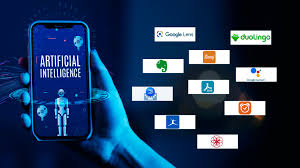
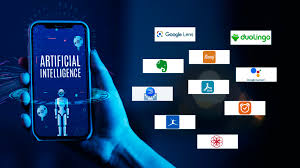
Artificial Intelligence (AI) has revolutionized the way we interact with technology, making everyday tasks simpler and more efficient. From managing schedules to automating mundane chores, AI-powered apps are becoming indispensable tools in our daily lives. This article explores some of the most innovative AI-powered apps that make life easier, highlighting their features, benefits, and impact on user productivity.
Introduction to AI-Powered Apps
AI technology has significantly advanced in recent years, enabling developers to create applications that can learn from user interactions, predict behaviors, and perform complex tasks autonomously. These apps harness machine learning algorithms to provide personalized experiences and streamline various aspects of life.
Key Features of AI-Powered Apps
Natural Language Processing (NLP)
AI apps leverage NLP to understand and respond to human language, making interactions more natural and intuitive. This feature is particularly useful in virtual assistants and language translation apps.
Machine Learning Algorithms
Machine learning algorithms enable apps to analyze data, detect patterns, and make predictions without explicit programming. This capability powers recommendation systems, predictive analytics, and personalized content delivery.
Computer Vision
Apps equipped with computer vision can interpret visual information from images or videos. This technology is used in augmented reality apps, facial recognition systems, and image editing tools.
Automation and Task Management
AI-driven automation simplifies repetitive tasks such as scheduling meetings, managing emails, and organizing digital files. These apps improve efficiency by reducing manual workload and minimizing human error.
Top AI-Powered Apps Making Life Easier
1. Google Assistant
Google Assistant is a virtual assistant that utilizes AI to provide information, manage tasks, and control smart home devices through voice commands. It integrates with Google services and third-party apps to offer personalized assistance.
- Features: Voice recognition, task management, smart home control, real-time information updates.
- Pros: Seamless integration with Google ecosystem, proactive suggestions, multi-language support.
- Cons: Requires internet connectivity, privacy concerns with data collection.
2. Spotify
Spotify uses AI algorithms to curate personalized music playlists based on user preferences, listening habits, and mood. Its recommendation engine suggests new songs and artists, enhancing the music discovery experience.
- Features: Personalized playlists, mood-based recommendations, podcast recommendations, collaborative playlists.
- Pros: Extensive music library, offline listening mode, cross-platform synchronization.
- Cons: Ad-supported free version, premium subscription required for ad-free experience.
3. Grammarly
Grammarly employs AI-powered grammar checking and writing suggestions to improve the clarity and correctness of written communication. It integrates seamlessly with web browsers and word processors, helping users write error-free content.
- Features: Grammar checking, spell checking, style suggestions, plagiarism detection (premium).
- Pros: User-friendly interface, real-time feedback, browser extension availability.
- Cons: Premium features require subscription, occasional inaccuracies in suggestions.
4. Duolingo
Duolingo utilizes AI to offer personalized language learning courses tailored to individual learning pace and proficiency level. It uses gamification elements to make language learning engaging and effective.
- Features: Language courses, speaking exercises, listening comprehension, progress tracking.
- Pros: Free to use with optional paid subscription, mobile-friendly, community engagement.
- Cons: Limited advanced language proficiency, occasional repetitive exercises.
5. Tesla Autopilot
Tesla Autopilot employs AI and machine learning to enable semi-autonomous driving capabilities. It assists drivers with lane-keeping, adaptive cruise control, and automatic parking, enhancing vehicle safety and convenience.
- Features: Autosteer, Navigate on Autopilot, Summon, Autopark, traffic-aware cruise control.
- Pros: Continuously updated via over-the-air updates, enhances driving comfort and safety.
- Cons: Requires driver attention and supervision, regulatory restrictions in some regions.
Impact of AI-Powered Apps on Daily Life
AI-powered apps have revolutionized daily routines by automating tasks, enhancing productivity, and providing personalized experiences tailored to individual preferences. Whether it’s managing schedules, discovering new music, improving language skills, or enhancing driving safety, these apps contribute significantly to making life more convenient and efficient.
Conclusion
AI-powered apps continue to evolve and innovate, transforming how we interact with technology and improving our daily lives in unprecedented ways. As AI technology advances further, we can expect even more sophisticated applications that further streamline tasks, personalize experiences, and enhance overall productivity.
FAQs
1. How secure are AI-powered apps in terms of user data privacy?
AI-powered apps prioritize user data privacy with encryption, anonymization techniques, and adherence to data protection regulations. Users should review app permissions and privacy policies for transparency.
2. Can AI-powered apps replace human interaction in customer service?
While AI-powered chatbots and virtual assistants handle routine inquiries, human interaction remains crucial for complex or sensitive customer service scenarios.
3. Are there AI-powered apps that assist in healthcare or medical diagnosis?
Yes, AI-powered apps are used in healthcare for medical imaging analysis, personalized treatment recommendations, and patient monitoring.
4. What are the ethical considerations of using AI in everyday apps?
Ethical considerations include bias in AI algorithms, data privacy concerns, transparency in AI decision-making, and accountability for AI-driven outcomes.
5. How can individuals benefit from learning to use AI-powered apps effectively?
Learning to use AI-powered apps effectively can enhance personal productivity, improve learning outcomes, streamline daily tasks, and adapt to technological advancements in various fields.