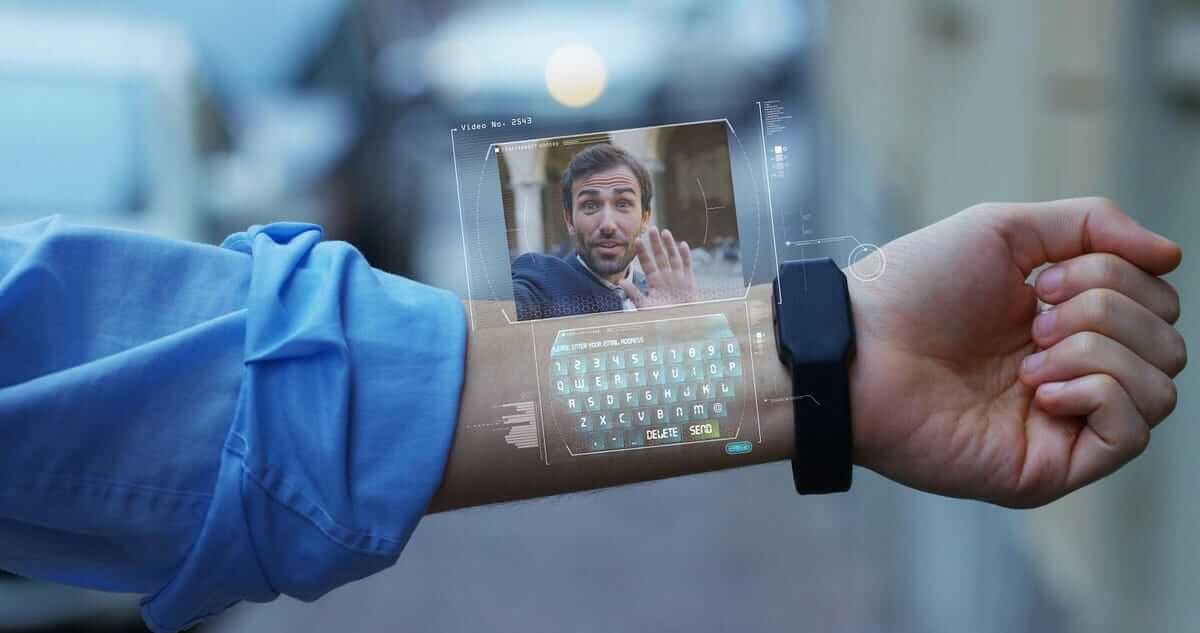
Wearable technology has come a long way since the advent of basic fitness trackers. Today, innovations in this field are revolutionizing the way we live, work, and interact with our surroundings. From smartwatches that monitor our health to augmented reality (AR) glasses that enhance our productivity, wearable tech is seamlessly integrating into our daily routines. Let’s delve into some of the most exciting advancements in wearable technology and explore how they are shaping our future.
1. Smartwatches: Beyond Timekeeping
Smartwatches have evolved far beyond simple timekeeping devices. Modern smartwatches come equipped with a myriad of features that make them indispensable. Health monitoring is at the forefront of these innovations. With capabilities like heart rate monitoring, sleep tracking, and even ECG readings, smartwatches are becoming essential health companions. Brands like Apple, Garmin, and Fitbit are continually pushing the boundaries, incorporating features such as blood oxygen level measurement and advanced fitness tracking.
Moreover, smartwatches are now powerful communication tools. They can receive calls, messages, and notifications, allowing users to stay connected without constantly reaching for their phones. Integration with virtual assistants like Siri and Google Assistant further enhances their utility, enabling hands-free operation and voice commands.
2. Fitness Trackers: Precision in Health and Wellness
Fitness trackers have also seen significant advancements. These devices are no longer just about counting steps. They offer comprehensive health analytics, including calorie tracking, stress monitoring, and even menstrual cycle prediction. The use of advanced sensors and algorithms ensures that the data collected is accurate and actionable.
One of the latest trends is the incorporation of personalized coaching. Devices now offer real-time feedback and tailored workout suggestions based on the user’s activity levels and goals. This personalization is making fitness trackers more effective in helping individuals achieve their health and wellness objectives.
3. Smart Clothing: The Next Frontier
Smart clothing is an emerging trend in wearable technology. These garments are embedded with sensors that can monitor a range of physiological parameters. For instance, smart shirts can track heart rate, respiratory rate, and muscle activity, providing valuable insights for athletes and fitness enthusiasts.
Innovations in fabric technology are making smart clothing more comfortable and durable. Companies like Under Armour and Hexoskin are at the forefront, offering products that blend seamlessly with regular clothing while providing advanced health metrics. The potential applications extend beyond fitness, with smart clothing being explored for use in healthcare settings to monitor patients remotely.
4. Augmented Reality Glasses: Enhancing Reality
AR glasses represent one of the most exciting advancements in wearable tech. These devices overlay digital information onto the real world, enhancing the user’s perception and interaction with their environment. AR glasses are being utilized in various fields, from gaming and entertainment to professional applications in engineering and healthcare.
For example, AR glasses can provide real-time information and instructions to workers in industrial settings, improving efficiency and safety. In healthcare, they can assist surgeons with detailed overlays during complex procedures. Companies like Google, Microsoft, and Magic Leap are leading the charge, continually refining the technology to make AR glasses more practical and accessible.
5. Wearable Medical Devices: Revolutionizing Healthcare
Wearable medical devices are transforming healthcare by enabling continuous monitoring and early detection of health issues. Devices like continuous glucose monitors (CGMs) for diabetics and portable ECG monitors are already making a significant impact. These devices provide real-time data to both users and healthcare providers, facilitating timely interventions and better management of chronic conditions.
Advancements in wearable medical technology are also paving the way for more personalized medicine. By continuously monitoring various health parameters, these devices can help tailor treatments to the individual needs of patients, improving outcomes and reducing healthcare costs.
Conclusion
The innovations in wearable technology are transforming our daily lives in profound ways. From enhancing our health and fitness to revolutionizing healthcare and professional industries, these devices are becoming integral to our modern lifestyle. As technology continues to advance, the potential for wearables is limitless. Embracing these innovations can lead to a healthier, more connected, and efficient future.