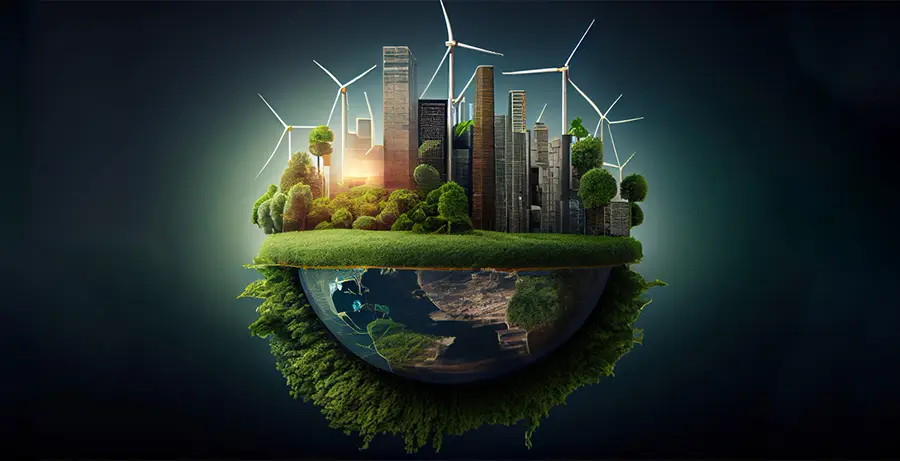
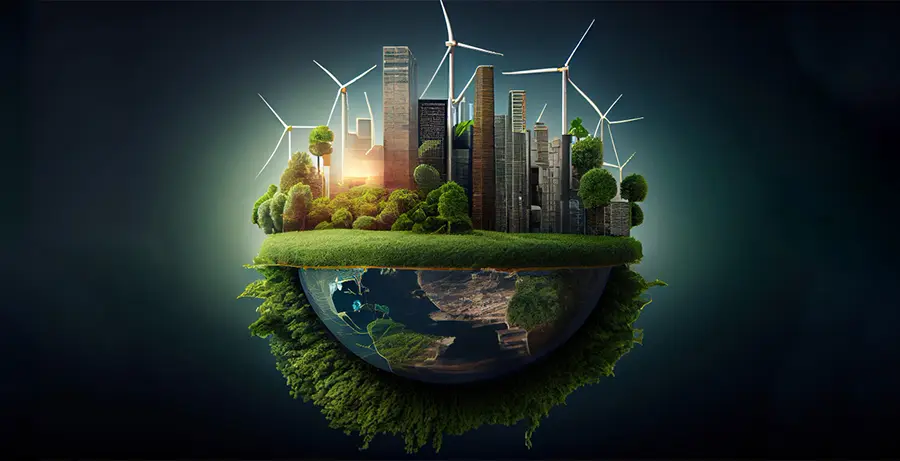
Introduction to Green Technology
Exploring innovative technologies driving sustainability efforts and environmental conservation for a greener future.
1. Renewable Energy Solutions
Solar Power
Advancements in solar panel efficiency and affordability, promoting widespread adoption in residential and commercial sectors.
Wind Energy
Harnessing wind power with advanced turbines and offshore installations, contributing to renewable energy grids globally.
2. Energy Storage Innovations
Battery Technology
Breakthroughs in battery storage capacity and longevity, supporting renewable energy integration and grid stability.
Hydrogen Storage
Developments in hydrogen fuel cells for clean energy storage and transportation, reducing reliance on fossil fuels.
3. Sustainable Transportation
Electric Vehicles (EVs)
The rise of electric cars and public transportation fleets, reducing carbon emissions and dependence on traditional vehicles.
Alternative Fuels
Biofuels and synthetic fuels from renewable sources, offering sustainable alternatives in aviation and shipping industries.
4. Smart Cities and Infrastructure
Efficient Resource Management
Integration of IoT sensors and AI for optimizing energy use, waste management, and urban planning in smart cities.
Green Buildings
Design innovations in architecture for energy-efficient homes and offices, minimizing environmental impact.
5. Water Conservation Technologies
Advanced Irrigation Systems
Smart irrigation systems using data analytics and sensors for precise water usage in agriculture and landscaping.
Water Purification
Innovative filtration and desalination technologies to provide clean drinking water, addressing global water scarcity.
6. Circular Economy Initiatives
Waste Reduction
Promoting recycling and upcycling of materials to minimize landfill waste and conserve natural resources.
Product Lifecycle Management
Closed-loop manufacturing processes that reduce carbon footprint and promote sustainable consumption.
7. Green Tech in Agriculture
Precision Farming
Utilizing drones and AI for precision agriculture, optimizing crop yields while reducing pesticide and water usage.
Vertical Farming
Indoor farming solutions using hydroponics and aeroponics to grow crops efficiently in urban environments.
8. Environmental Monitoring and Conservation
Remote Sensing
Satellite technology and remote sensors for monitoring deforestation, biodiversity, and climate change impacts.
Conservation Robotics
AI-powered robots for wildlife monitoring and habitat restoration in remote or endangered ecosystems.
Conclusion
Reflecting on the transformative impact of green technology innovations in achieving sustainable development goals and combating climate change.
FAQs
1. How do solar panels contribute to sustainable energy? Solar panels convert sunlight into electricity without greenhouse gas emissions, making them a clean energy source for homes and businesses.
2. What are the benefits of electric vehicles (EVs) for the environment? EVs reduce air pollution and greenhouse gas emissions compared to traditional vehicles, promoting cleaner urban air quality.
3. How does circular economy promote sustainability? Circular economy principles minimize waste by reusing, recycling, and repurposing materials, conserving natural resources and reducing environmental impact.
4. What role does AI play in smart cities? AI analyzes data from IoT sensors to optimize energy use, traffic flow, and public services in smart cities, enhancing efficiency and sustainability.
5. How can individuals contribute to green technology adoption? Individual actions like reducing energy consumption, supporting renewable energy initiatives, and practicing sustainable consumption habits can promote green tech adoption and sustainability.