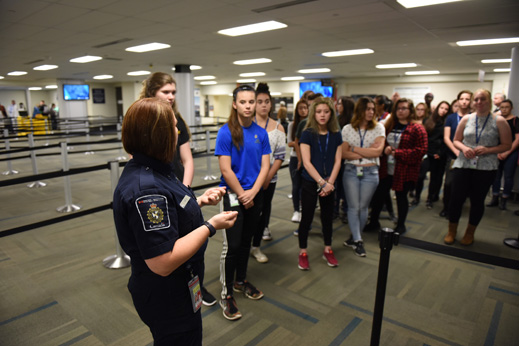
Moving from the United States to Canada involves several steps, from navigating immigration procedures to settling into a new cultural environment. Being prepared for common questions can help streamline the process and ensure a smoother transition. Here are ten questions you should expect and be prepared to answer:
1. Why are you moving to Canada?
When immigrating, authorities will want to understand your motivations. Whether it’s for a job, education, family reunification, or lifestyle change, clearly articulating your reasons is crucial.
- Explain the primary reason for your move (employment, study, family, etc.).
- Be prepared to discuss any long-term plans and how they align with your move.
2. What type of visa or residency are you applying for?
Understanding the specific visa or residency program you’re applying under is essential. Different programs have different requirements and processes.
- Familiarize yourself with the visa category you’re applying for (e.g., work permit, student visa, permanent residency).
- Be ready to explain your eligibility and the steps you’ve taken in the application process.
3. Do you have a job lined up in Canada?
If employment is the reason for your move, you’ll need to provide details about your job offer.
- Share specifics about the job, including the company name, position, and terms of employment.
- If you don’t have a job yet, discuss your job search strategy and how you plan to secure employment.
4. Where do you plan to live?
Having a clear plan for your initial accommodation demonstrates preparedness.
- Provide details about your living arrangements, whether it’s a rental, temporary housing, or staying with friends/family.
- Understand the area or city you plan to live in and have some basic information about it.
5. What is your financial situation?
Immigration authorities need to know that you can support yourself and any dependents during your stay in Canada.
- Be ready to show proof of financial stability, such as bank statements or proof of income.
- Discuss your financial planning and how you will manage the cost of living.
6. Do you have any family or friends in Canada?
Having a support network can be beneficial and reassuring for immigration authorities.
- Mention any relatives or close friends in Canada and their relationship to you.
- Explain how having family or friends in Canada will support your transition and integration.
7. How do you plan to integrate into Canadian society?
Demonstrating an understanding of and willingness to integrate into Canadian society is important.
- Discuss plans to learn about Canadian culture and, if relevant, improve language skills (e.g., French if moving to Quebec).
- Show your interest in participating in community activities and contributing to Canadian society.
8. What do you know about Canadian healthcare?
Understanding Canada’s healthcare system is crucial as it differs significantly from the US system.
- Know the basics of the publicly funded Canadian healthcare system and how it operates.
- Be prepared to discuss how you will access healthcare, such as applying for a provincial health card.
9. Have you considered the cost of living differences?
Recognizing and preparing for the cost of living differences between the US and Canada is essential for a smooth transition.
- Be aware of the cost of living in Canada, including housing, groceries, and transportation.
- Explain how you’ve prepared financially for these differences and your overall budgeting plans.
10. What are your long-term plans in Canada?
Authorities will want to understand your long-term intentions and commitment to living in Canada.
- Outline your long-term goals, such as career aspirations, family plans, and personal growth.
- Show that you’ve thought through your move and are committed to successfully transitioning to life in Canada.
Note:
- Be Honest and Transparent: Answer all questions truthfully to avoid complications later on.
- Documentation: Have all necessary documents organized and readily available for review. This includes financial statements, job offers, housing arrangements, and identification.
- Research: Conduct thorough research on Canadian immigration procedures, cultural norms, and living conditions to confidently answer these questions.
- Seek Professional Advice: Consider consulting with an immigration lawyer or consultant to ensure you fully understand the requirements and processes involved in your move.
In conclusion, moving to Canada from the US is a significant step that requires careful planning and preparation. By anticipating these common questions and preparing thoughtful, honest answers, you can demonstrate your readiness and commitment to making a successful transition. Understanding the logistics, financial requirements, and cultural adjustments involved will help ensure a smoother and more positive experience as you embark on your new life in Canada.