Canada is a country with a lot of adventurous sites. If you need a place to spend your holidays or have fun, these are the top 10 outdoor adventurous places you should be.
1. Banff National Park, Alberta
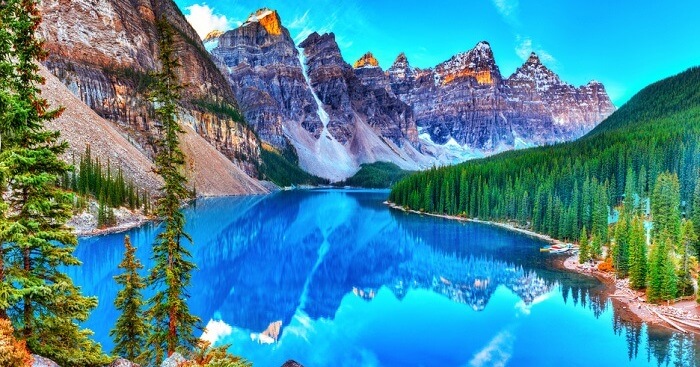
Banff National Park, Canada’s first national park, is a UNESCO World Heritage site in the heart of the Canadian Rockies. The park features stunning mountain landscapes, pristine lakes, and abundant wildlife.
These are some activities you should expect in Banff National Park.
- Hiking: Explore over 1,600 kilometers of trails, ranging from easy walks to challenging multi-day treks. Popular hikes include the Plain of Six Glaciers and Johnston Canyon.
- Wildlife Watching: Spot grizzly bears, elk, mountain goats, and other wildlife in their natural habitat.
- Skiing and Snowboarding: Visit in winter to enjoy world-class skiing and snowboarding at Banff’s three ski resorts: Banff Sunshine, Lake Louise, and Mt. Norquay.
- Canoeing and Kayaking: Paddle on the turquoise waters of Lake Louise and Moraine Lake.
2. Whistler, British Columbia
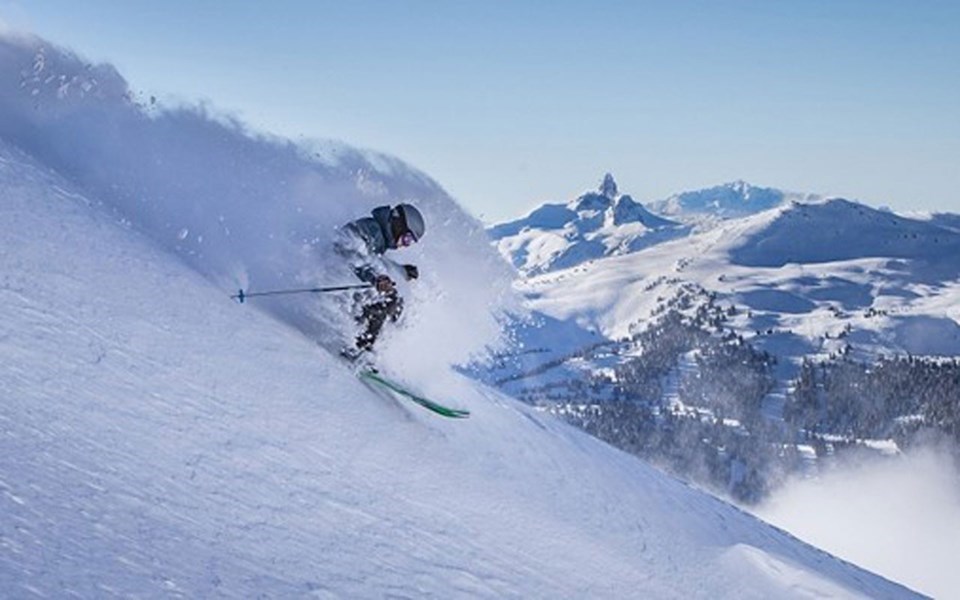
Whistler, located in the Coast Mountains of British Columbia, is one of the premier outdoor adventure destinations. Renowned for its world-class ski resorts, vibrant village atmosphere, and diverse range of activities, Whistler offers something for everyone. Whether you’re visiting in the summer or winter, there’s no shortage of ways to explore and enjoy this stunning mountain playground.
Winter Activities
A. Skiing and Snowboarding
Whistler Blackcomb, the largest ski resort in North America, offers over 8,000 acres of skiable terrain, including bowls, glades, and groomed runs suitable for all skill levels.
Highlights:
- Terrain: 200+ marked runs, 16 alpine bowls, 3 glaciers.
- Vertical Drop: 1,609 meters (5,280 feet).
- Facilities: Modern lifts, rental shops, and ski schools.
B. Snowshoeing
For those who prefer a slower pace, snowshoeing offers a peaceful way to explore Whistler’s winter landscapes.
Highlights:
- Trails: Lost Lake Park, Whistler Olympic Park.
- Guided Tours: Learn about the local flora, fauna, and history.
C. Snowmobiling
Experience the thrill of snowmobiling through Whistler’s backcountry with guided tours.
Highlights:
- Tours: Ranging from beginner to advanced.
- Scenic Routes: Through forests, alpine meadows, and up to mountain viewpoints.
D. Ice Climbing
For the adventurous, ice climbing provides a unique challenge on frozen waterfalls and ice formations. Highlights:
- Locations: Alexander Falls, Whistler Ice Tower.
- Guided Instruction: Available for all skill levels.
Summer Activities
A. Mountain Biking
Whistler is a mecca for mountain bikers, with the Whistler Mountain Bike Park offering trails for all levels. Highlights:
- Trails: Over 70 bike trails, including flowy green trails to technical black diamonds.
- Events: Crankworx, the world’s largest mountain bike festival.
B. Hiking
Discover stunning alpine scenery and diverse ecosystems on Whistler’s many hiking trails.
Highlights:
- Popular Trails: Garibaldi Lake, Joffre Lakes, Wedgemount Lake.
- Alpine Trails: Accessed via the Peak 2 Peak Gondola.
C. Zip-lining
Experience the thrill of zip-lining through Whistler’s old-growth forests and over rivers.
Highlights:
- Tours: Various courses with lines up to 2 kilometers long.
- Views: Stunning vistas of the surrounding mountains and valleys.
D. Paddling
Explore Whistler’s lakes and rivers by canoe, kayak, or paddleboard.
Highlights:
- Locations: Alta Lake, Green Lake, River of Golden Dreams.
- Rentals and Tours: Available at various locations.
Whistler, British Columbia, is an outdoor enthusiast’s dream destination. From the snow-covered slopes in winter to the lush alpine meadows in summer, Whistler offers various activities that cater to adventurers of all kinds. Whether you’re a thrill-seeker looking to push your limits or someone who enjoys a leisurely exploration of nature, Whistler provides an unforgettable experience. With its world-class amenities, vibrant village life, and breathtaking natural beauty, Whistler continues to be a top destination for those seeking adventure and relaxation in the great outdoors.
3. Cabot Trail, Nova Scotia
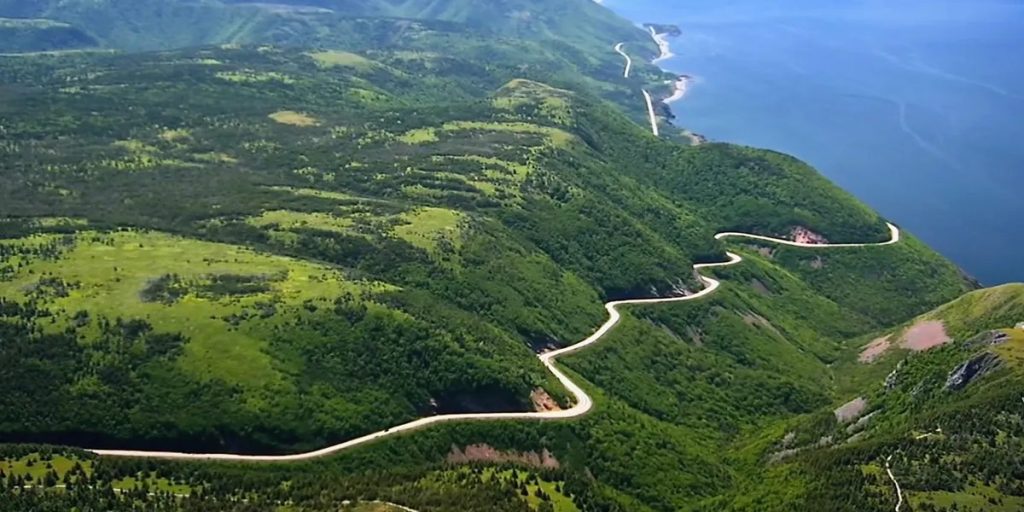
The Cabot Trail, located on Cape Breton Island in Nova Scotia, is one of Canada’s most scenic drives and a premier destination for outdoor enthusiasts. This 298-kilometer loop offers breathtaking coastal views, lush forests, and the rich cultural heritage of Cape Breton. Whether you’re cycling, hiking, or simply enjoying the drive, the Cabot Trail provides a diverse range of adventures for all types of travelers.
Outdoor Activities:
A. Cycling the Cabot Trail
The Cabot Trail is considered one of the world’s most scenic bike routes. Cyclists can tackle challenging climbs and exhilarating descents while enjoying stunning ocean views and vibrant fall foliage.
Highlights:
- Full Circuit Ride: The 298-kilometer loop is a demanding but rewarding challenge for experienced cyclists.
- Support Services: Bike rental shops, guided tours, and support vehicles are available.
- Best Time to Cycle: Late spring to early fall, with autumn offering spectacular foliage.
B. Hiking in Cape Breton Highlands National Park
The Cabot Trail runs through Cape Breton Highlands National Park, offering numerous hiking trails that showcase the island’s diverse landscapes, from coastal cliffs to dense forests.
Highlights:
- Skyline Trail: A 7.5-kilometer round trip that leads to a dramatic headland cliff with panoramic views of the Gulf of St. Lawrence.
- Middle Head Trail: A 3.8-kilometer loop that follows a narrow peninsula with stunning coastal views.
- Franey Trail: A challenging 7.4-kilometer loop ascending through hardwood forest to offer spectacular vistas.
C. Whale Watching
The waters around Cape Breton Island are rich with marine life, making it an ideal location for whale watching and various species including humpbacks, minkes, pilot whales, and much more.
Highlights:
- Boat Tours: Departing from locations such as Pleasant Bay and Ingonish, these tours offer close encounters with whales and other marine life.
- Best Time for Whale Watching: June to October, when whales migrate through the area.
D. Sea Kayaking
Paddle along the rugged coastline of Cape Breton Island, exploring hidden coves, sea caves, and tranquil bays. Kayaking provides a unique perspective of the island’s natural beauty.
Highlights:
- Guided Tours: Available from various outfitters, offering half-day to multi-day trips.
- Popular Routes: North River, St. Ann’s Bay, and the sheltered waters of Aspy Bay.
E. Fishing
Cape Breton Island offers excellent fishing opportunities, from deep-sea fishing in the Atlantic Ocean to fly fishing in its rivers and lakes.
Highlights:
- Deep-Sea Fishing: Charters are available for catching mackerel, cod, and other Atlantic fish.
- Fly Fishing: The Margaree River is renowned for its Atlantic salmon and trout fishing.
F. Golfing
Golf enthusiasts can enjoy world-class courses set against stunning natural backdrops. Cape Breton is home to several top-rated golf courses.
Highlights:
- Cabot Links: A true links course offering a challenging and scenic golfing experience along the coast.
- Cabot Cliffs: Ranked among the top golf courses in the world, known for its dramatic clifftop holes.
The Cabot Trail on Cape Breton Island is a paradise for outdoor enthusiasts, offering a diverse range of activities. Whether you’re cycling the challenging route, hiking through lush forests, or simply enjoying the drive, the Cabot Trail promises unforgettable experiences and a deep connection with nature. With its rich cultural heritage, abundant wildlife, and breathtaking landscapes, the Cabot Trail is a must-visit destination for any adventure seeker.
4. Gros Morne National Park, Newfoundland and Labrador
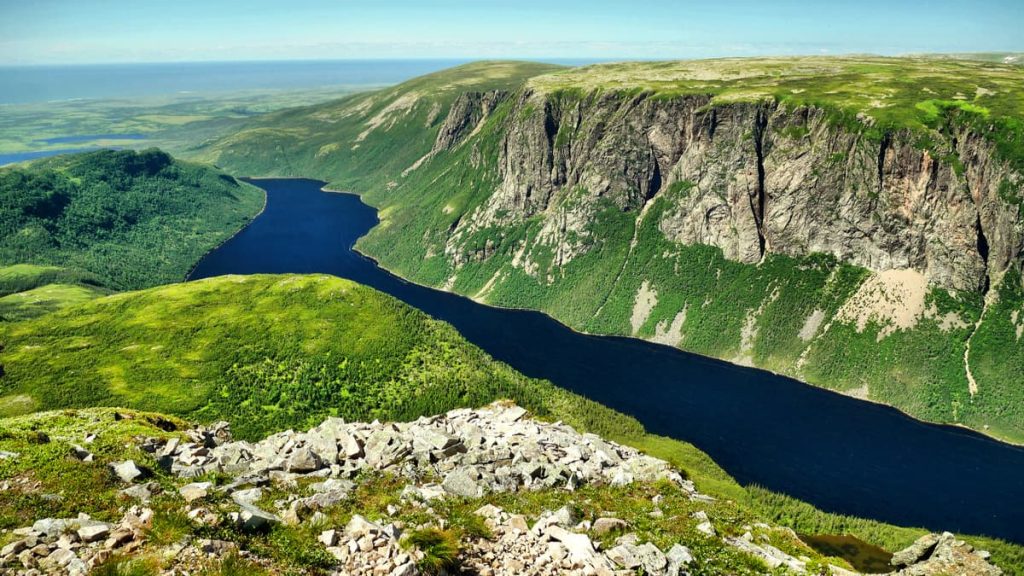
Gros Morne National Park, located on the west coast of Newfoundland in the province of Newfoundland and Labrador, is a UNESCO World Heritage Site known for its stunning landscapes and unique geological features. Covering an area of 1,805 square kilometers, the park offers a wide array of outdoor activities, from hiking and kayaking to wildlife watching and geological exploration. Its dramatic fjords, towering cliffs, and lush forests make it a paradise for nature enthusiasts and adventure seekers.
Features of Gros Morne National Park
A. Geological Wonders
Gros Morne National Park is renowned for its unique geology, showcasing the Earth’s geological history and processes.
Highlights:
- Tablelands: A barren, orange-brown landscape that is a rare example of the Earth’s mantle exposed at the surface. This area provides a glimpse into the tectonic forces that shaped the planet.
- Western Brook Pond: A spectacular freshwater fjord carved by glaciers, surrounded by towering cliffs and waterfalls.
- Green Gardens: A contrasting landscape of lush meadows and coastal cliffs, showcasing the park’s diverse geology.
B. Hiking Trails
Gros Morne offers a variety of hiking trails that cater to all levels of hikers, from easy walks to challenging backcountry treks.
Highlights:
- Gros Morne Mountain Trail: A challenging 16-kilometer round trip that ascends to the park’s highest point, offering panoramic views of the surrounding landscapes.
- Green Gardens Trail: A moderate 9-kilometer round trip that takes hikers through boreal forest to coastal meadows and dramatic sea cliffs.
- Western Brook Pond Trail: An easy 3-kilometer walk leading to a boat tour dock, where visitors can explore the fjord by boat.
C. Boating and Kayaking
The park’s lakes, fjords, and coastline provide excellent opportunities for boating and kayaking, allowing visitors to explore its natural beauty from the water.
Highlights:
- Western Brook Pond Boat Tour: A popular guided tour that takes visitors through the stunning fjord, with opportunities to see waterfalls, wildlife, and the towering cliffs up close.
- Sea Kayaking: Paddle along the park’s coastline or in sheltered bays, exploring hidden coves and observing marine life.
- Trout River Pond: A picturesque location for kayaking, surrounded by the rugged beauty of the Long Range Mountains.
D. Wildlife Watching
Gros Morne is home to a diverse array of wildlife, making it an excellent destination for animal lovers and bird watchers.
Highlights:
- Moose: The park has a high population of moose, which can often be seen grazing in meadows or along trails.
- Caribou: Look for these majestic animals in the park’s alpine and coastal areas.
- Bird Watching: The park is a haven for bird species, including bald eagles, ospreys, and various seabirds.
5. Jasper National Park, Alberta
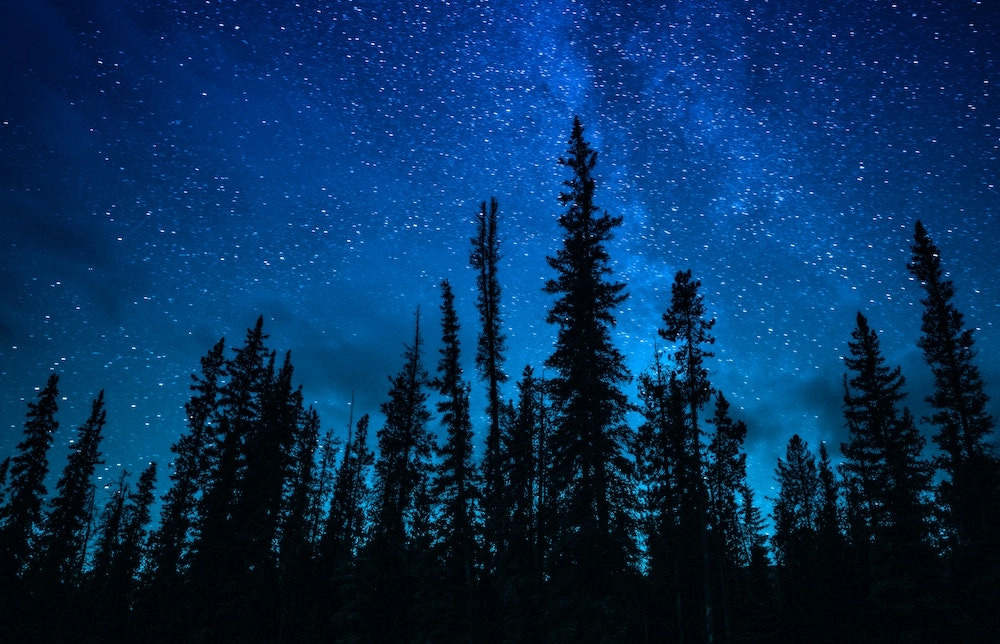
Jasper National Park, the largest national park in the Canadian Rockies, spans over 11,000 square kilometers in Alberta. It is a UNESCO World Heritage Site renowned for its stunning mountain landscapes, abundant wildlife, and vast array of outdoor activities. From its iconic peaks and glaciers to serene lakes and dense forests, Jasper offers an unparalleled natural playground for adventurers and nature lovers alike.
Features of Jasper National Park
A. Scenic Drives
Jasper National Park is home to some of the most scenic drives in Canada, offering breathtaking views of mountains, glaciers, and valleys.
Highlights:
- Icefields Parkway (Highway 93): One of the most scenic drives in the world, connecting Jasper to Banff. Highlights include the Athabasca Glacier, Sunwapta Falls, and the Columbia Icefield.
- Maligne Lake Road: This drive takes you past Medicine Lake to the stunning Maligne Lake, offering numerous spots for wildlife viewing and scenic photography.
B. Lakes and Waterfalls
Jasper’s numerous lakes and waterfalls offer stunning views and recreational opportunities.
Highlights:
- Maligne Lake: The largest natural lake in the Canadian Rockies, known for its crystal-clear waters and the iconic Spirit Island. Canoeing, kayaking, and boat tours are popular activities.
- Pyramid Lake: A picturesque lake located near Jasper townsite, perfect for picnicking, paddleboarding, and fishing.
- Athabasca Falls: A powerful waterfall on the Athabasca River, accessible via a short walk from the parking area.
C. Glacier Exploration
The Columbia Icefield, located along the Icefields Parkway, offers a unique opportunity to explore one of the largest icefields in North America.
Highlights:
- Athabasca Glacier: Take a guided tour on specially designed Ice Explorer vehicles to walk on the glacier.
- Columbia Icefield Skywalk: A glass-floored observation platform offering stunning views of the surrounding glaciers and valleys.
D. Dark Sky Preserve
Jasper National Park is designated as a Dark Sky Preserve, making it an ideal location for stargazing and astrophotography.
Highlights:
- Jasper Dark Sky Festival: Held annually in October, this festival celebrates the park’s dark skies with events, workshops, and guest speakers.
- Best Viewing Spots: Pyramid Island, Maligne Lake, and Medicine Lake are popular spots for stargazing.
Conclusion
Jasper National Park is a jewel of the Canadian Rockies, offering an incredible array of outdoor adventures and natural wonders. Whether you’re hiking to alpine meadows, paddling on serene lakes, or stargazing under one of the darkest skies in North America, Jasper promises an unforgettable experience. With its diverse wildlife, stunning landscapes, and rich cultural heritage, Jasper National Park is a must-visit destination for anyone seeking to connect with nature and explore the great outdoors.
6. Bay of Fundy
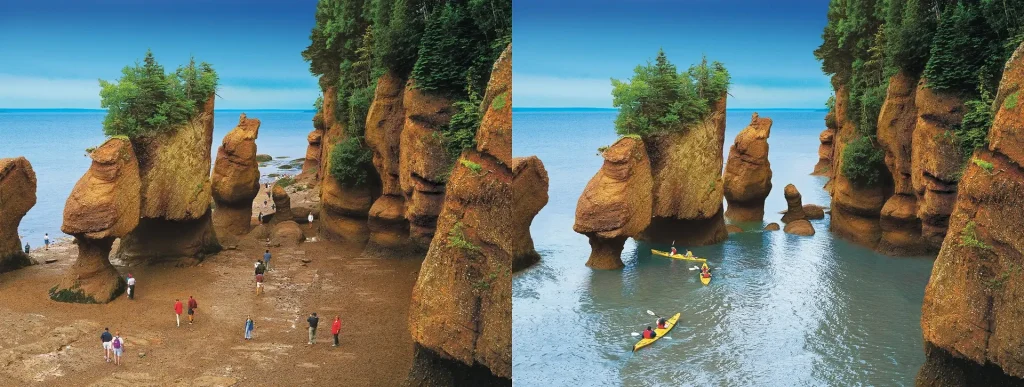
The Bay of Fundy, located between New Brunswick and Nova Scotia, is famous for having the highest tides in the world, reaching up to 16 meters (52 feet). This natural wonder creates a dynamic environment perfect for a variety of outdoor adventures. The bay’s unique geography, rich marine life, and beautiful landscapes make it a top destination for travelers seeking both excitement and tranquility.
Key Features of the Bay of Fundy
A. Tidal Bore Rafting
Experience the thrill of riding the powerful tidal bore, a surge of water that travels upstream in the rivers feeding into the Bay of Fundy.
Highlights:
- Shubenacadie River: The most popular spot for tidal bore rafting, where the incoming tide creates waves up to 3 meters high.
- Guided Tours: Various operators offer guided rafting tours, providing all necessary gear and safety instructions.
- Best Time to Go: Tidal bore rafting is best experienced during spring tides, which occur twice a month.
B. Whale Watching
The Bay of Fundy is one of the best places in the world for whale watching, with numerous species migrating through the area.
Key Highlights:
- Species to See: Humpback whales, fin whales, minke whales, and the rare North Atlantic right whale.
- Best Viewing Spots: St. Andrews, Grand Manan Island, and Digby Neck.
- Peak Season: Late June to early October, when whale activity is at its highest.
C. Sea Kayaking
Explore the dramatic coastlines, hidden coves, and tidal marshes of the Bay of Fundy by kayak.
Key Highlights:
- St. Martins Sea Caves: Paddle through sea caves and along the rugged coastline at low tide.
- Cape Chignecto: Discover hidden coves and dramatic cliffs on guided kayaking tours.
- Safety Tips: Due to strong currents and high tides, guided tours are recommended for safe and enjoyable experiences.
D. Fundy National Park
Located in New Brunswick, Fundy National Park offers a wide range of outdoor activities and stunning natural beauty.
Key Highlights:
- Hiking Trails: Over 120 kilometers of trails ranging from easy walks to challenging backcountry routes.
- Camping: Multiple campgrounds and backcountry sites available, as well as oTENTik accommodations.
- Waterfalls: Discover beautiful waterfalls such as Dickson Falls, Laverty Falls, and Third Vault Falls.
Marine Life and Geological Wonders
1. Tidal Phenomena
The Bay of Fundy’s extreme tides create unique marine environments and geological formations.
Key Highlights:
- Tidal Flats and Mudflats: Exposed during low tide, providing a rich feeding ground for shorebirds.
- Salt Marshes: Vital habitats for numerous species of birds, fish, and invertebrates.
- Geological Formations: Sea stacks, cliffs, and caves formed by the constant action of the tides.
2. Bird Watching
The Bay of Fundy is a crucial stopover point for migratory birds, making it a paradise for bird watchers.
Key Highlights:
- Shorebirds: Thousands of sandpipers and plovers gather on the mudflats during migration.
- Bald Eagles and Ospreys: Commonly seen hunting along the coastline.
- Birding Hotspots: Mary’s Point, Johnson’s Mills, and Grand Manan Island.
Location
- By Car: The Bay of Fundy is accessible via the Trans-Canada Highway and various provincial highways in New Brunswick and Nova Scotia.
- By Air: The nearest major airports are in Moncton (New Brunswick) and Halifax (Nova Scotia). Car rentals are available at both airports.
- By Ferry: Ferry services connect various points along the Bay of Fundy, including the Digby-Saint John ferry.
Visitation
- Visitor Centers: Located in key locations such as Fundy National Park, Hopewell Rocks, and the Fundy Trail Parkway, offering maps, brochures, and advice.
- Tide Schedules: Tide times vary daily, so it’s essential to check local tide schedules to plan your activities accordingly.
The Bay of Fundy offers an incredible array of outdoor adventures set against the backdrop of one of the world’s most unique and dynamic coastal environments. From the thrill of tidal bore rafting and the serenity of sea kayaking to the awe-inspiring sight of the Hopewell Rocks and the rich marine and bird life, the Bay of Fundy provides unforgettable experiences for every type of traveler. With its stunning landscapes, diverse wildlife, and remarkable tidal phenomena, the Bay of Fundy is a must-visit destination for anyone seeking to explore the natural wonders of New Brunswick and Nova Scotia.
7. Yukon Wilderness, Yukon Territory
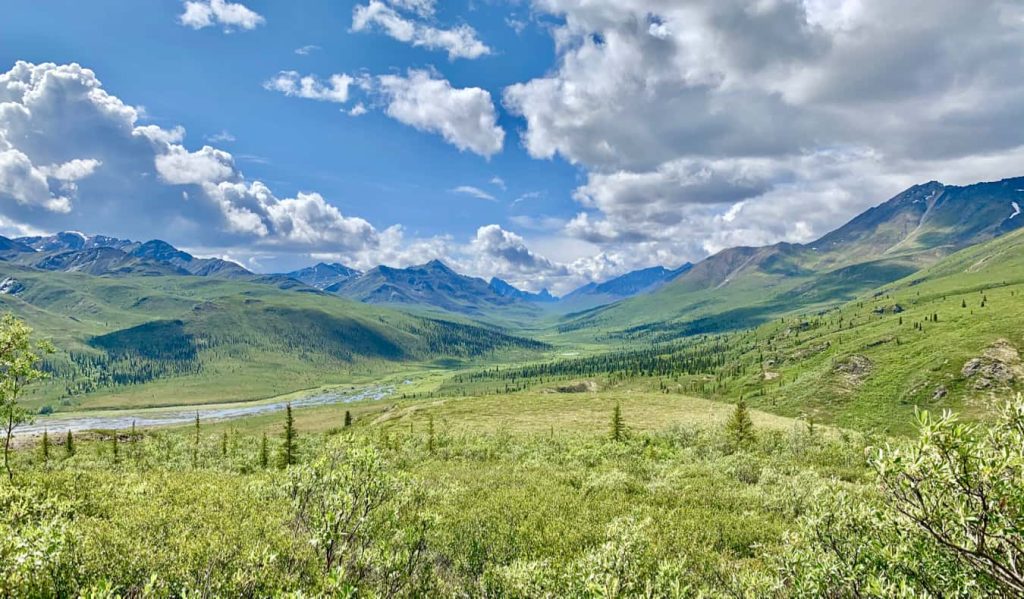
The Yukon Territory, located in the northwestern part of Canada, is synonymous with untamed wilderness and pristine natural beauty. Known for its vast landscapes, rich history, and diverse wildlife, the Yukon offers some of the most remote and breathtaking outdoor adventures in North America. From soaring mountain ranges and expansive tundra to crystal-clear lakes and mighty rivers, the Yukon Wilderness provides endless opportunities for exploration and adventure.
Activities:
- Tombstone Territorial Park: Known for its dramatic landscapes of jagged peaks, tundra, and vibrant autumn colors. Tombstone Territorial Park is a haven for hikers and photographers.
- Aurora Borealis (Northern Lights): The Yukon’s northern location makes it one of the best places in the world to view the Aurora Borealis. Guided tours offer insights into the science behind the Northern Lights and the best chances for sightings.
- Canoeing and Kayaking: Paddle the Yukon River and its tributaries, offering both calm waters and challenging rapids.
- Dog Sledding: Experience the traditional mode of transportation with a dog sledding adventure through snowy landscapes.
The long, snowy winters of the Yukon provide a perfect playground for varieties of winter sports and activities, such as;
- Dog Sledding: Experience the traditional mode of winter travel with guided dog sledding tours. The Yukon Quest, a 1,000-mile dog sled race, is a major highlight.
- Snowmobiling: Explore the vast winter landscape on a snowmobile, with guided tours available for all skill levels.
- Ice Fishing: Try your hand at ice fishing on one of the Yukon’s many frozen lakes.
8. Kootenay National Park, British Columbia
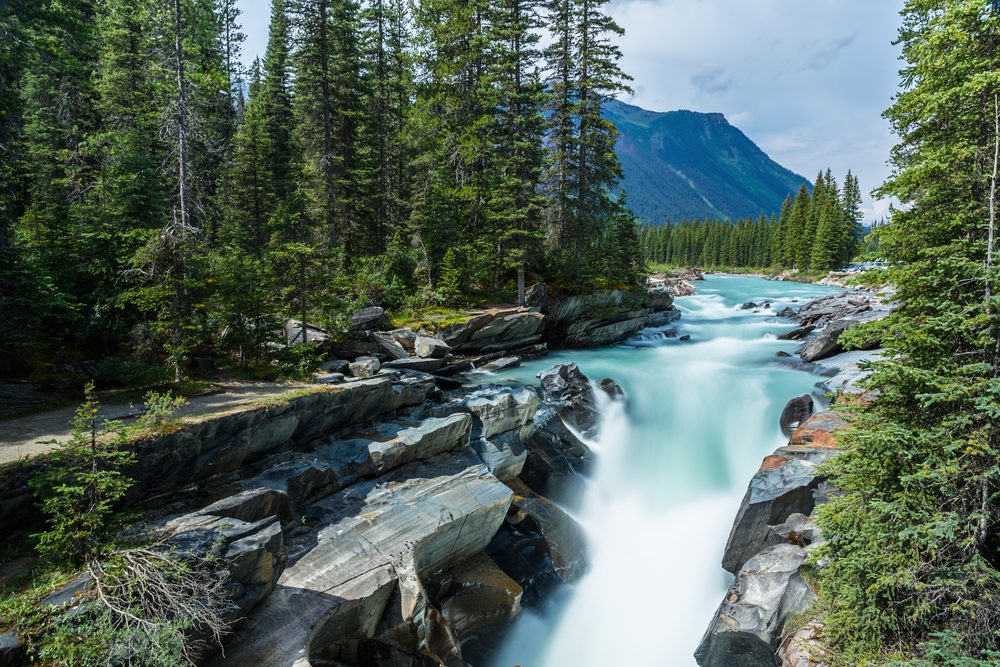
Kootenay National Park, located in southeastern British Columbia, is part of the Canadian Rocky Mountain Parks UNESCO World Heritage Site. Spanning 1,406 square kilometers, the park is renowned for its diverse landscapes, which include rugged mountains, lush forests, hot springs, and deep canyons. Kootenay offers a wide range of outdoor activities, making it a prime destination for nature lovers and adventure seekers.
Activities:
- Hiking Trails: Kootenay National Park boasts a variety of hiking trails, from short, accessible walks to challenging backcountry routes.
- Hot Springs: Relax in the natural hot springs at Radium Hot Springs, a popular spot for soaking after a day of hiking.
- Wildlife Watching: Spot wildlife such as bighorn sheep, mountain goats, and black bears.
- Camping: Experience backcountry camping in the park’s remote wilderness areas.
- Waterfalls and Canyons: The park features several stunning waterfalls and canyons, easily accessible via short hikes. The Numa Falls is Located near the Vermilion Crossing, this powerful waterfall is easily accessible and provides excellent photo opportunities.
Location
- By Car: Kootenay National Park is accessible via the Banff-Windermere Highway (Highway 93). The park’s southern entrance is near the town of Radium Hot Springs, and the northern entrance is near Castle Junction in Banff National Park.
- By Air: The nearest major airports are Calgary International Airport (Alberta) and Kelowna International Airport (British Columbia). Car rentals are available at both airports for the drive to the park.
9. Algonquin Provincial Park, Ontario
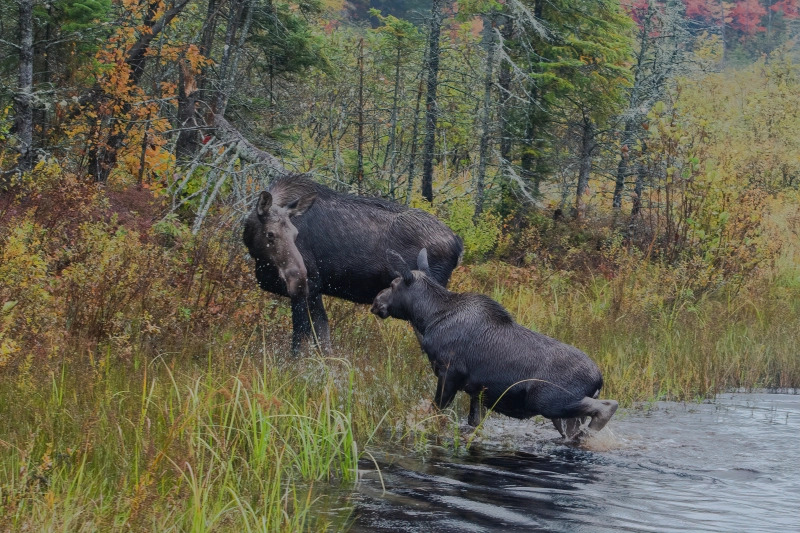
Algonquin Provincial Park, established in 1893, is one of the oldest and most renowned provincial parks in Ontario, Canada. Spanning nearly 7,653 square kilometers, the park is a haven for outdoor enthusiasts, offering a mix of rich forests, pristine lakes, and diverse wildlife. Known for its canoeing, camping, and hiking opportunities, Algonquin Park provides an accessible yet wild nature experience.
Activities:
- Canoeing and Kayaking: Explore over 2,400 lakes and countless rivers, making it a paradise for paddlers.
- Hiking: Enjoy scenic trails such as the Centennial Ridges Trail and the Mizzy Lake Trail.
- Camping: Choose from developed campgrounds or backcountry sites for an immersive wilderness experience.
- Wildlife Watching: Spot moose, black bears, beavers, etc in their natural habitat.
- Guided Tours: For those new to canoeing, guided tours, and instructional courses are available, providing a safe and educational way to explore the waterways.
- Highland Backpacking Trail: A more challenging trail that offers two loops of 19 and 35 kilometers, with beautiful vistas and secluded campsites.
A. Winter Activities
Algonquin Park transforms into a winter wonderland, offering a variety of activities for cold-weather enthusiasts. These activities include;
Cross-Country Skiing: Over 100 kilometers of groomed trails, including the popular Leaf Lake and Fen Lake trails.
Snowshoeing: Numerous trails are suitable for snowshoeing, providing access to beautiful winter landscapes.
Winter Camping: Available at Mew Lake campground, with heated yurts and campsites for tent camping.
10. Prince Edward Island National Park
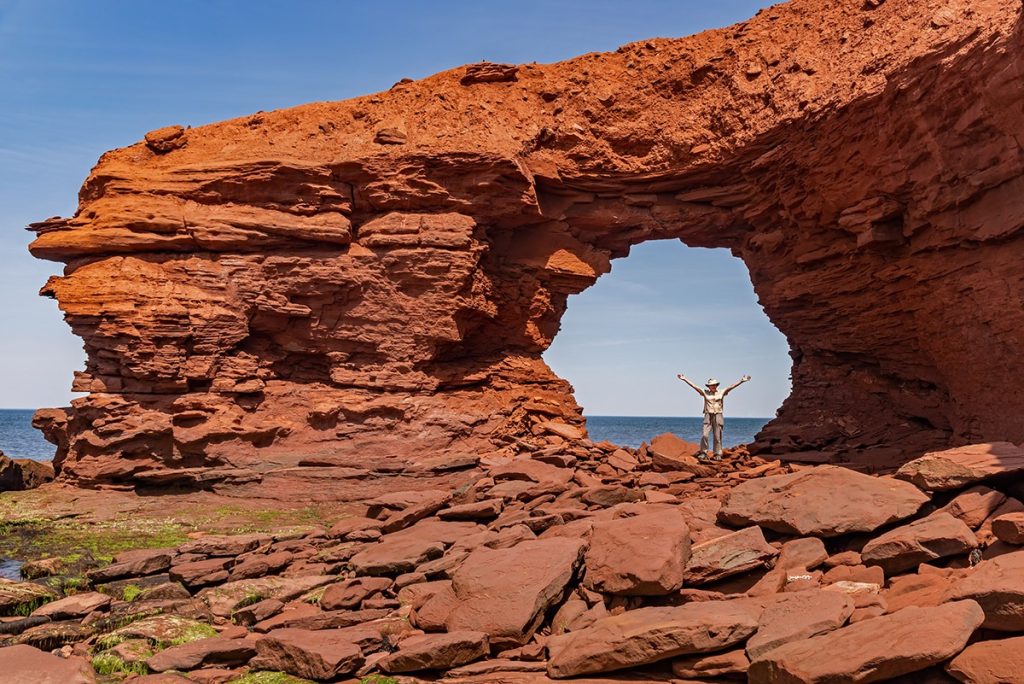
Prince Edward Island National Park, located on the picturesque Prince Edward Island (PEI) in eastern Canada, is a coastal gem known for its stunning landscapes, diverse wildlife, and rich cultural heritage. The park spans over 60 kilometers along the north shore of the island, offering a mix of sandy beaches, rolling dunes, lush forests, and red sandstone cliffs. Established in 1937, this national park provides a serene and beautiful setting for a wide range of outdoor activities.
Activities:
- Hiking and Walking Trails: The park boasts several well-maintained trails that cater to all levels of hikers, from easy strolls to more challenging hikes.
- Beaches and Sand Dunes: The park is renowned for its pristine sandy beaches and extensive dune systems, making it a popular summer destination..
- Kayaking: Paddle along the coastline and explore the park’s bays and inlets.
- Wildlife Viewing: PEI National Park is a haven for wildlife, providing numerous opportunities for visitors to observe animals in their natural habitats.
- Cycling: The park is cyclist-friendly, with several designated trails and pathways that offer scenic rides through diverse landscapes.
Location
- By Car: The park is easily accessible by car via Route 6 and Route 13, with entrances near Cavendish, Brackley Beach, and Greenwich.
- By Air: The nearest major airport is Charlottetown Airport, approximately 30 kilometers from the park. Car rentals are available at the airport for the drive to the park.
In Conclusion
Canada’s diverse landscapes and vast wilderness areas offer countless opportunities for outdoor adventures. From the towering peaks of the Rockies to the rugged coastlines of the Atlantic provinces, each destination provides unique experiences for nature lovers and adventure seekers. Whether you’re hiking through national parks, paddling pristine lakes, or skiing down world-class slopes, Canada is a paradise for those seeking to explore the great outdoors.